Wells, septic and the extra reports
Outside the borough, private wells and on-lot septic are the norm. The Chester County Health Department permits both and enforces Act 537, the state sewage law, and a failing system is the county’s business as well as yours.
For a buyer, two reports join the appraisal: a water test, usually with the well’s yield in gallons per minute and a bacteria panel, and a septic inspection covering the tank, the field and the last pumping date. Order both at the start of the inspection period. A dry well found in week four is a very different negotiation than one found in week one, and lenders have their own requirements about what has to be resolved before closing. Ask for the yield figure in writing; a well that produces three gallons a minute and a well that produces fifteen support very different houses, and the number belongs in the file before the appraisal is signed.
Land, barns and what the appraiser does with them
A farmette is a real listing category here, and it is where financing gets interesting. Appraisers value the house plus a customary site, and acreage beyond that is handled carefully; barns, run-in sheds, fencing and any income-producing use can complicate the report, and some loan programs limit how much of the total value may sit in land. None of that is a problem when the lender knows about it before the appraisal is ordered. It is a problem when the report comes back and the number is short.
Buying raw ground is a different product again. A lot loan carries the land, and building on it means a soil probe, a perc test and a planning module or exemption under Act 537 before a shovel moves, then a construction loan that pays the builder in draws against inspections. Count the draws in the builder’s contract and match them to the lender’s schedule before construction starts.
A half-square-mile borough inside a 25-square-mile township
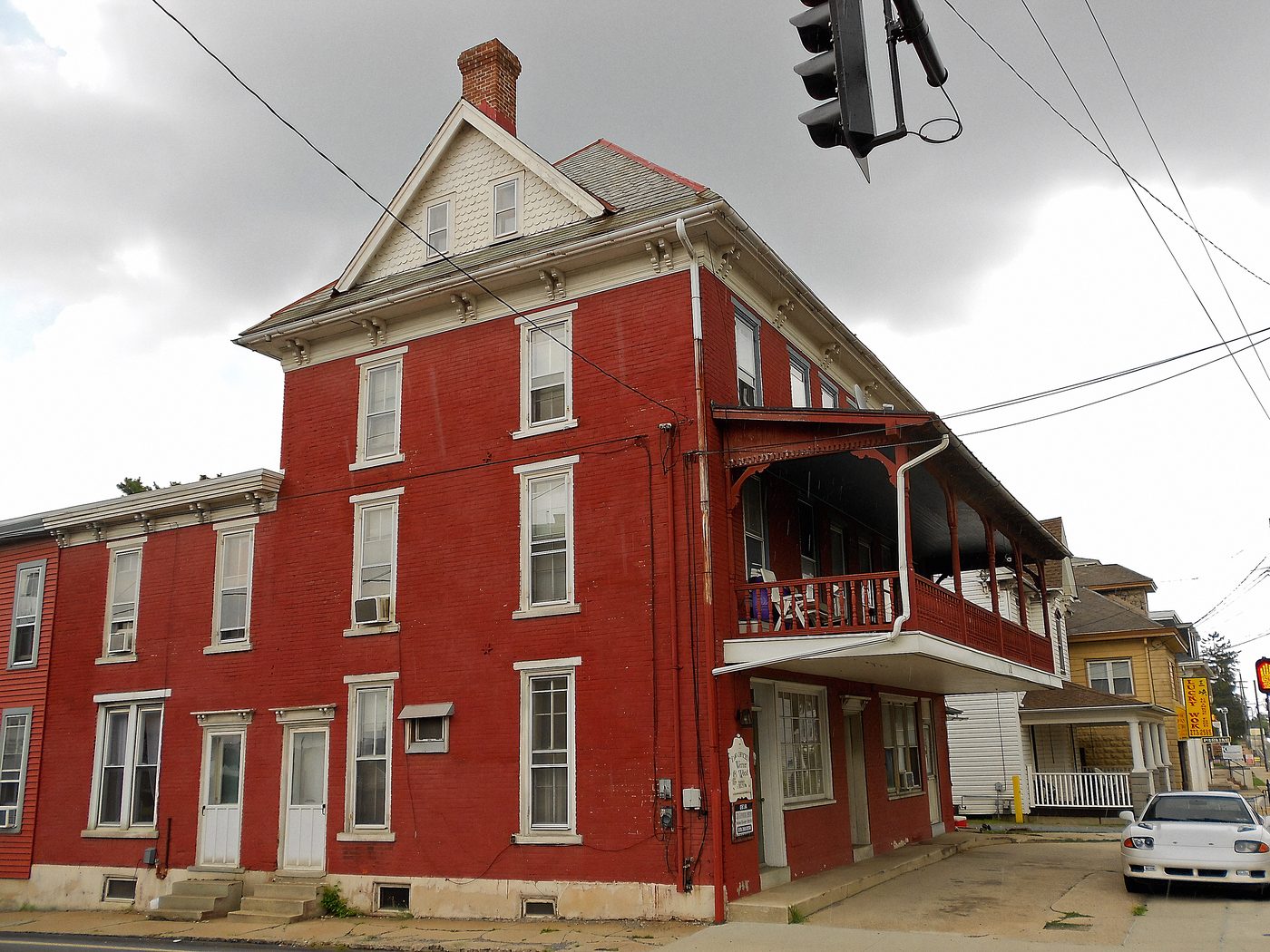
Honey Brook Borough covers 0.48 square miles and held 1,892 residents at the 2020 census. It was the village of Waynesburg from 1813 until 1884, when the name changed because rail freight kept ending up at the other Waynesburg, and the replacement name comes from a mistranslation of the Welsh Nantmel. Public water has run here since September 1896 and the streetlights went electric in 1915. The borough sits on the ridge where the East and West Branches of the Brandywine both rise.
Honey Brook Township, founded in 1789, wraps around it: 25.17 square miles, 8,274 residents, and nearly two-thirds of the land in agricultural use. U.S. 322, the Horseshoe Pike, runs northwest to southeast through the middle, PA 10 crosses the west side, and a sliver of the Turnpike clips the northern tip. The housing runs from 1890s and 1900s borough houses on the pike to farmhouses, manufactured-home communities and 2000s subdivisions out in the fields.
The pike, the park and the pace of it
There is no rail service. The nearest SEPTA station is the line’s terminus at Thorndale, and the nearest Amtrak platforms are Coatesville and Parkesburg. Everything else is 322 and 10, which is a pleasant drive most of the year and a patient one behind farm equipment in the fall.
Borough Park runs dawn to dusk under an ordinance the borough adopted on May 1, 2026, and reserving anything in it now takes a permit, which is worth knowing before you plan a housewarming around the pavilion. The free concert there falls on Sunday, September 13, 2026, and the community library reopened with more room in 2025. That is a fair summary of the pace here, and it is most of the reason people drive past three closer towns to buy in this one.
What sold, and how much to trust it
Eighteen closings in the Honey Brook area in July 2026, where the previous July had 26, at a $457,450 sold median and 41 days on market, with 42 homes still listed. Movoto’s figures, and a thin month behind them. In a market where one listing might be a borough twin and the next one 11 acres with a bank barn, the median is a marker, and the valuation comes out of the comps.
The practical version is to get comparable sales that match the acreage and the outbuildings, because that is what the appraiser will be looking for too. With 42 homes active against 18 sales in the month, there is inventory to compare against, which is not true everywhere in the county. Transfer tax is the standard 2%, about $9,149 on a $457,450 sale, customarily split with the seller.