What are you financing? In this county it comes down to four things — a house, a piece of land, a build, or repairs to a place you already own — and each one takes a different file, a different appraisal and a different order of operations. A licensed Pennsylvania lender who works on yours calls you back, usually the same business day.
Chester County, and what it asks of a loan file
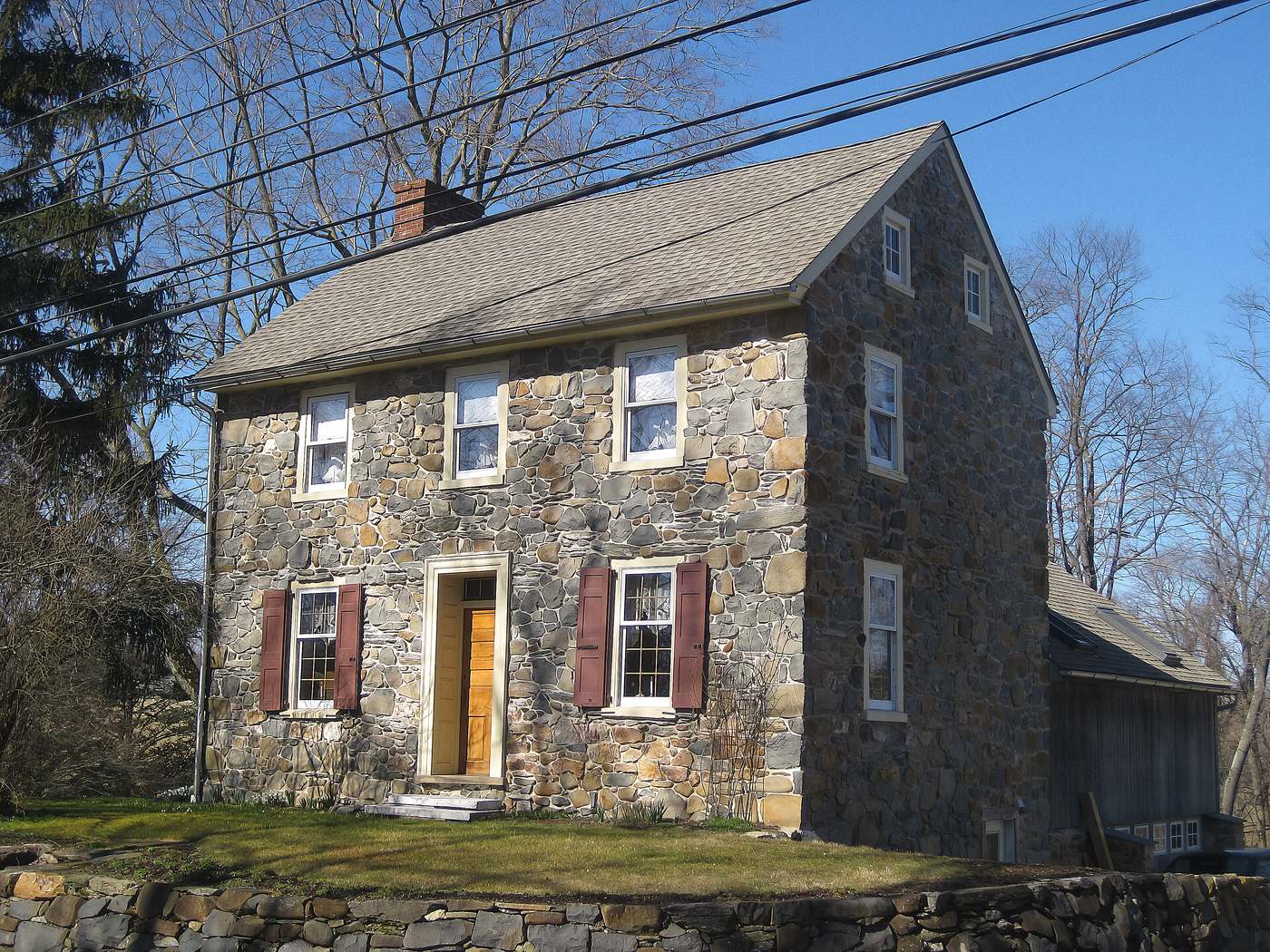
A house on a street in Downingtown is the ordinary one. A lot off a back road in Honey Brook is a land loan, and it wants a perc test and an Act 537 answer before anyone talks about a rate. A build in one of the planned communities west of Exton is a construction file with draws and inspections and a conversion at the end. And a stone farmhouse with a 1970s kitchen is a renovation loan, where the money for the kitchen is inside the mortgage.
Say which of the four you are standing in front of when you ring, and the lender who calls you back is one who writes that kind. That is most of what this site is for.

USDA for the south and west of the county, construction and construction-to-permanent for the lots and the planned communities, jumbo for the western Main Line, renovation loans for the stone farmhouse with a 1970s kitchen. The ordinary ones are here too.
Zero down inside USDA's eligible areas, the address check that has to come first, and what the site rule says about acreage, wells and septic.
The sequence: one closing before the build, funds into escrow, draws paid against inspections, and the conversion to permanent financing.
FHA, VA and conventional single-close compared, what each one asks the builder to produce, and the clocks that run on the build.
Why land is its own product, the perc test and Act 537 questions that decide the file, and how a lot loan bridges into construction financing.
Deposits, the builder's affiliated lender, appraisals written on plans and specs, and why the certificate of occupancy sets your closing date.
The caps, the consultants and the completion deadlines on 203(k) Limited and Standard, HomeStyle and CHOICEReno eXPress.
Where the jumbo line falls in 2026, the towns that straddle it, and why every down payment and score figure you read is a lender's policy.
The $832,750 conforming limit against July 2026 sold medians in Exton, Downingtown, Malvern and Berwyn, the 3% down programs and their income rule, and how private mortgage insurance ends.
The 2026 FHA limit for the Philadelphia MSA, 3.5% down, how long the mortgage insurance lasts, what the appraiser flags on pre-1940 borough stock, and the well and septic rules the county enforces.
Nothing down with full entitlement, no monthly mortgage insurance, how the funding fee is set, the property standards the appraiser applies, and what a well and septic add on acreage.
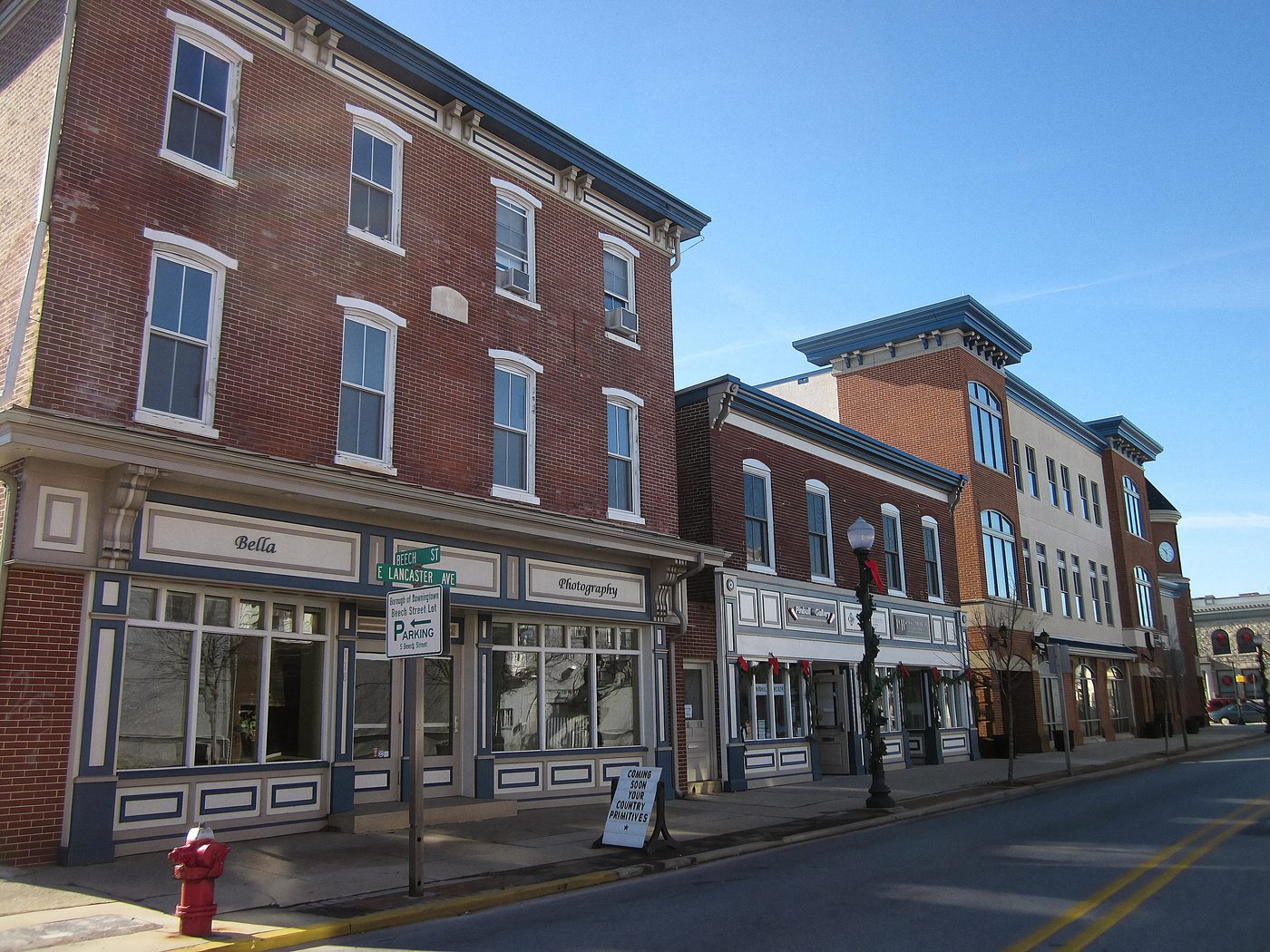
What the four files look like

Doug Kerr, Wikimedia Commons (CC BY-SA 2.0)

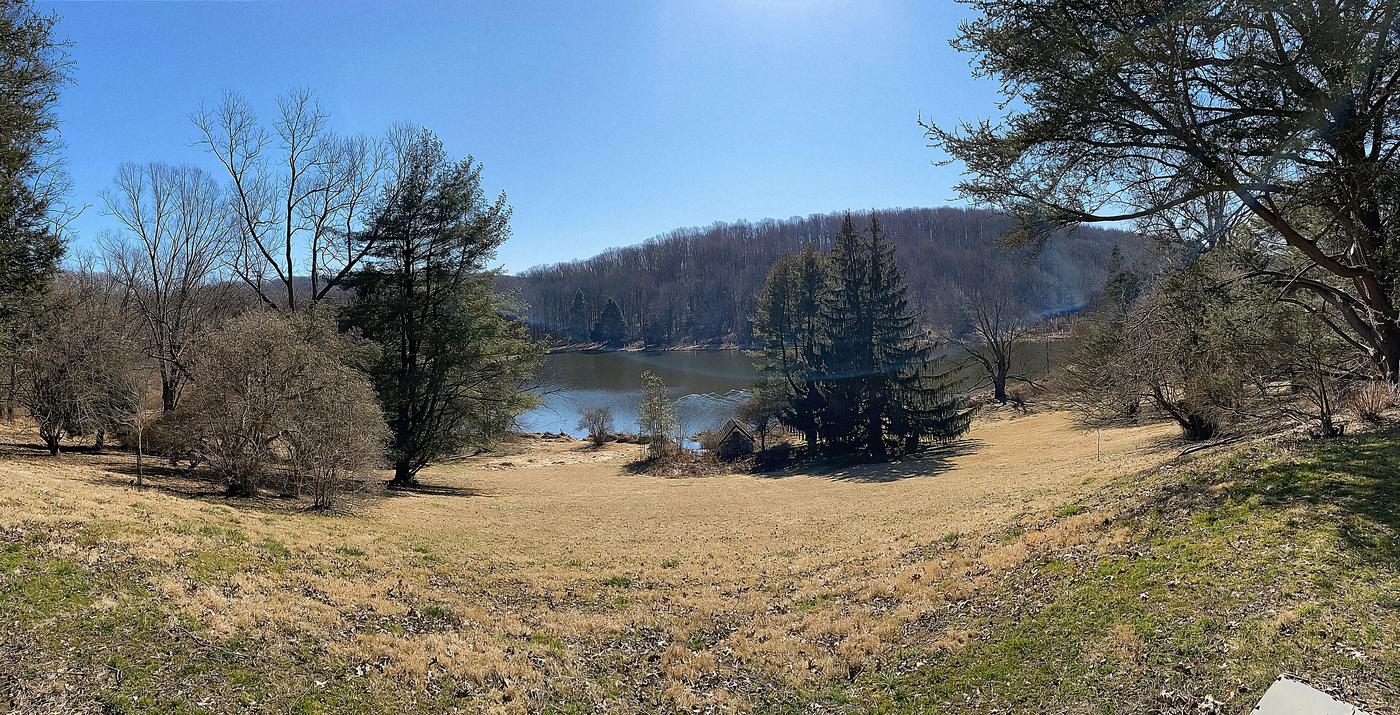
A lot, before anything is on it
Nolabob, Wikimedia Commons (CC BY-SA 4.0)

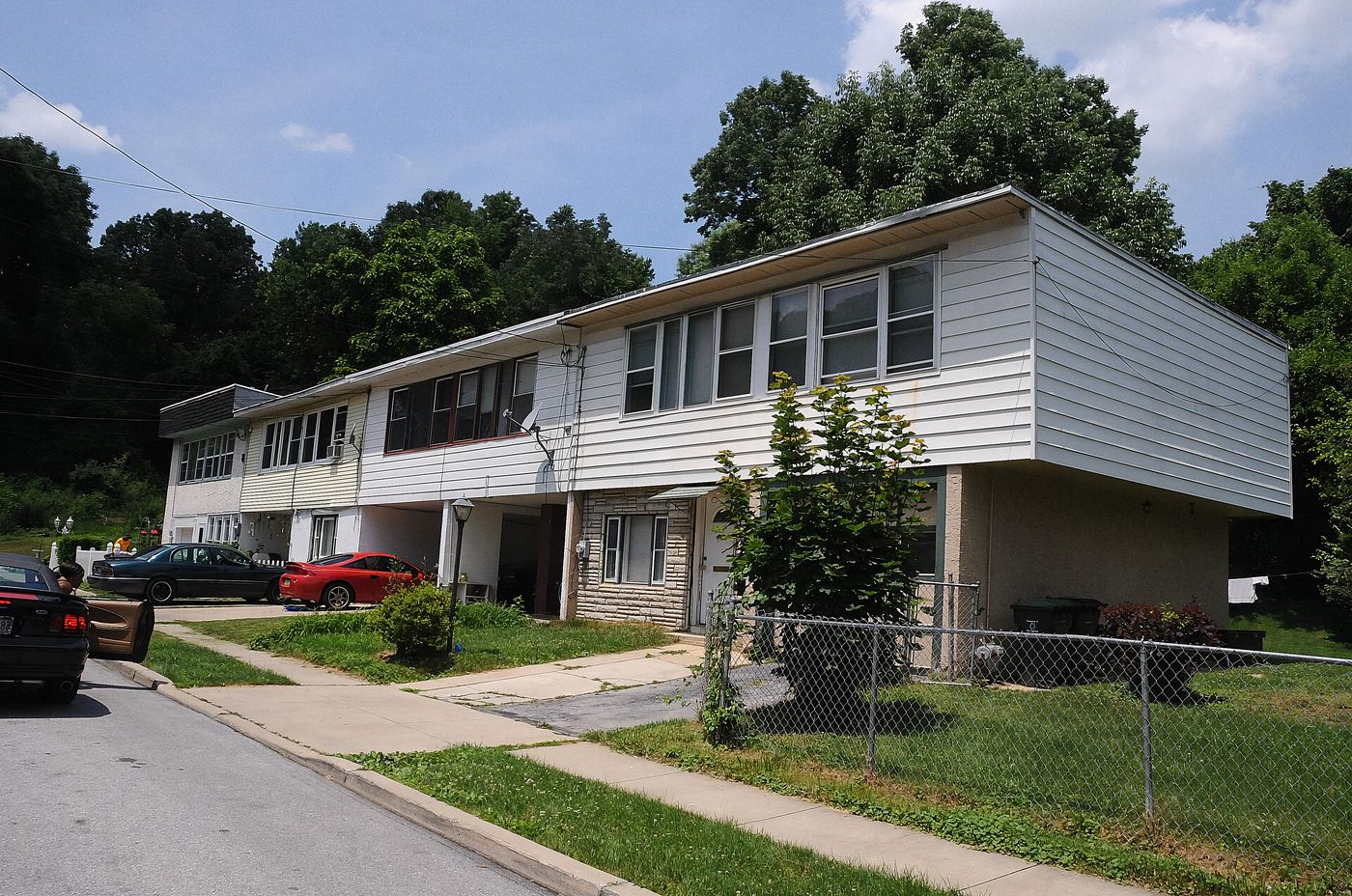
JERRYE & ROY KLOTZ. M.D., Wikimedia Commons (CC BY-SA 4.0)

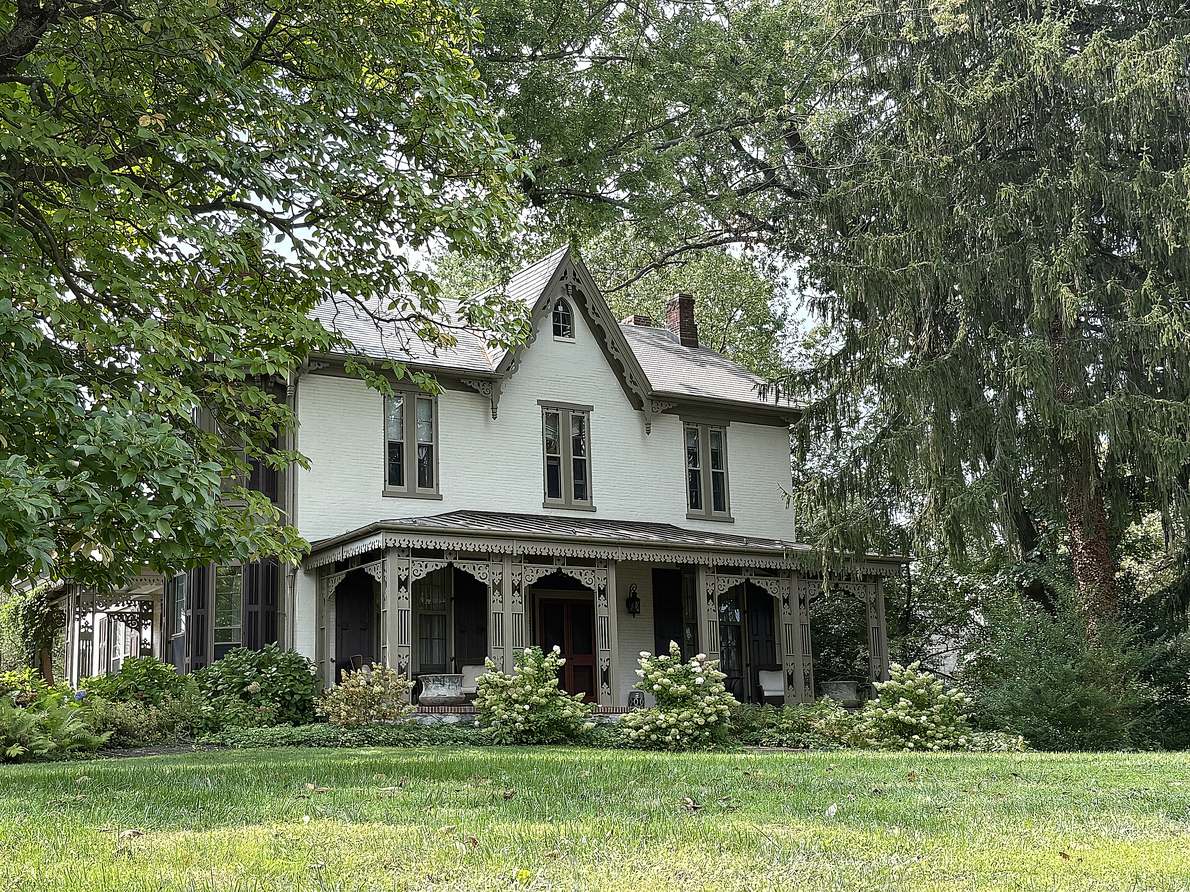
Ceeb47, Wikimedia Commons (CC BY-SA 4.0)
At any hour, with no queue and no hold music. Notes get taken, the numbers get read back, and Coatesville gets spelled right.
Buying, building, land or a refinance. Where. The price, in round numbers. When. Whether a lot, a well, a septic or a builder is already in the picture. Five minutes, no documents.
One who does that kind of loan, usually the same business day. Quotes, pre-approval and closing all happen there. If it goes quiet, call again and we chase it.
A national site does not know that Chester County still assesses on 1996 values, or that the transfer tax steps up when you cross into Malvern. These pages do.
The zero-down program, how to run a Chester County address on USDA's own map, why the boundary moves, and what the site rules in 7 CFR 3555.201 actually require.
The $40,000 second lien, the income table to eight people, the 20% down payment ceiling and the $15,000 liquid asset rule, plus the PHFA limits it sits behind.
The 2% standard rate, the three municipalities that deviate, the customary split, joint liability, the family exemptions, and what the difference costs on real July 2026 medians.
Why the assessment is a fraction of the price, what the 30.6% ratio and the 3.27 factor are for, and how county, municipal and school millage stack into one bill.
FHA's well and septic standards, the stricter Chester County Health Department distances and water panel, what Act 537 means for a lot, and the township pumping rules on top.
The single closing, how lot equity becomes the down payment, written authorization at each draw, the 12-and-18-month clock, the VA draw account, and what the builder has to produce.
What the three Brandywine gauges recorded in 2021, the flood planning money since, and what a mapped zone does to insurance, escrow and the payment you qualify on.
| Realty transfer tax, standard | 2% of the price |
|---|---|
| Malvern and Tredyffrin | 2.5% |
| City of Coatesville | 3% |
| 2026 FHA limit, one unit, as published for the Philadelphia metro area | $630,200 |
| 2026 conforming limit, one unit | $832,750 |
| Jumbo starts above | $832,750 |
| County first-time buyer loan | up to $40,000 at 0%, deferred |
| Assessment base year | 1996 |
| Common level ratio, Jul 2026 to Jun 2027 | 30.6% |
| Regional Rail | Paoli/Thorndale Line |
One page per place, with the transfer tax on that side of the township line and the programs that apply there. Check the map before you fall for the house: USDA eligibility changes at boundaries you cannot see from the road.
No. You call or send the form, say what you are doing, and a licensed Pennsylvania mortgage lender who handles that kind of loan calls you back, quotes, approves and closes. The lender’s payment is what funds this; you never pay anything, and that payment is set against marketing and technology deliverables. It does not move with your loan amount or your rate.
Yes, with more paperwork than a resale. A lot loan covers the land on its own, usually with a larger down payment and a shorter term. A construction-to-permanent loan pays the builder in draws as the house goes up, then converts to an ordinary mortgage when the certificate of occupancy arrives. Expect to show a signed builder contract, plans and a budget before the appraisal is ordered. The program pages go through the sequence.
A USDA-guaranteed loan lets a household within the income limit buy with nothing down, on a house in an area USDA classes as rural. Parts of the south and west of Chester County fall inside those areas. The boundary is drawn address by address on USDA’s own map and household income is tested separately, so the map decides before anyone else does, and two houses a street apart can get different answers. The program page explains how to check.
No. Nobody at this number can see a credit report, and nothing on the site asks for a Social Security number. A credit check happens later, when you decide to apply.
An AI phone assistant, the same one that answers during the day. Ask whether it is a person and it will say plainly that it is not. It takes the same questions a person would, and a licensed Pennsylvania lender follows up on the next business day. No voicemail, no menu. What it will and will not do is written out here.
About a minute of typing. A licensed Pennsylvania lender who does this kind of loan calls you back, usually the same business day. If the call has not come by the following business day, ring the line again and say so; it gets chased. Nothing here touches your credit. If you would rather talk, the number is (484) 290-8667.
Sending this form asks a licensed Pennsylvania mortgage lender to get in touch with you about financing. It is not a loan application, and nobody pulls your credit. Chesco Financing itself is a marketing and referral service, not a mortgage lender or broker. What to expect.
That is in.
The sequence from here. Somebody reads it and marks down which kind of financing it describes. A licensed Pennsylvania lender then calls you, usually the same business day. Should the next business day end in silence, ring (484) 290-8667 and we chase it. If you would rather not wait, call now.
The number is answered at any hour. The form takes about a minute. Both reach the same desk, and a licensed Pennsylvania lender calls you back.
(484) 290-8667